Human–computer interaction
Understanding how people interact with digital systems, with attention to usability, agency, and everyday experience.
HIT Lab NZ · University of Canterbury
PhD Candidate & DISC101 Tutor
Designing accessible augmented reality for older adults and cultural heritage.
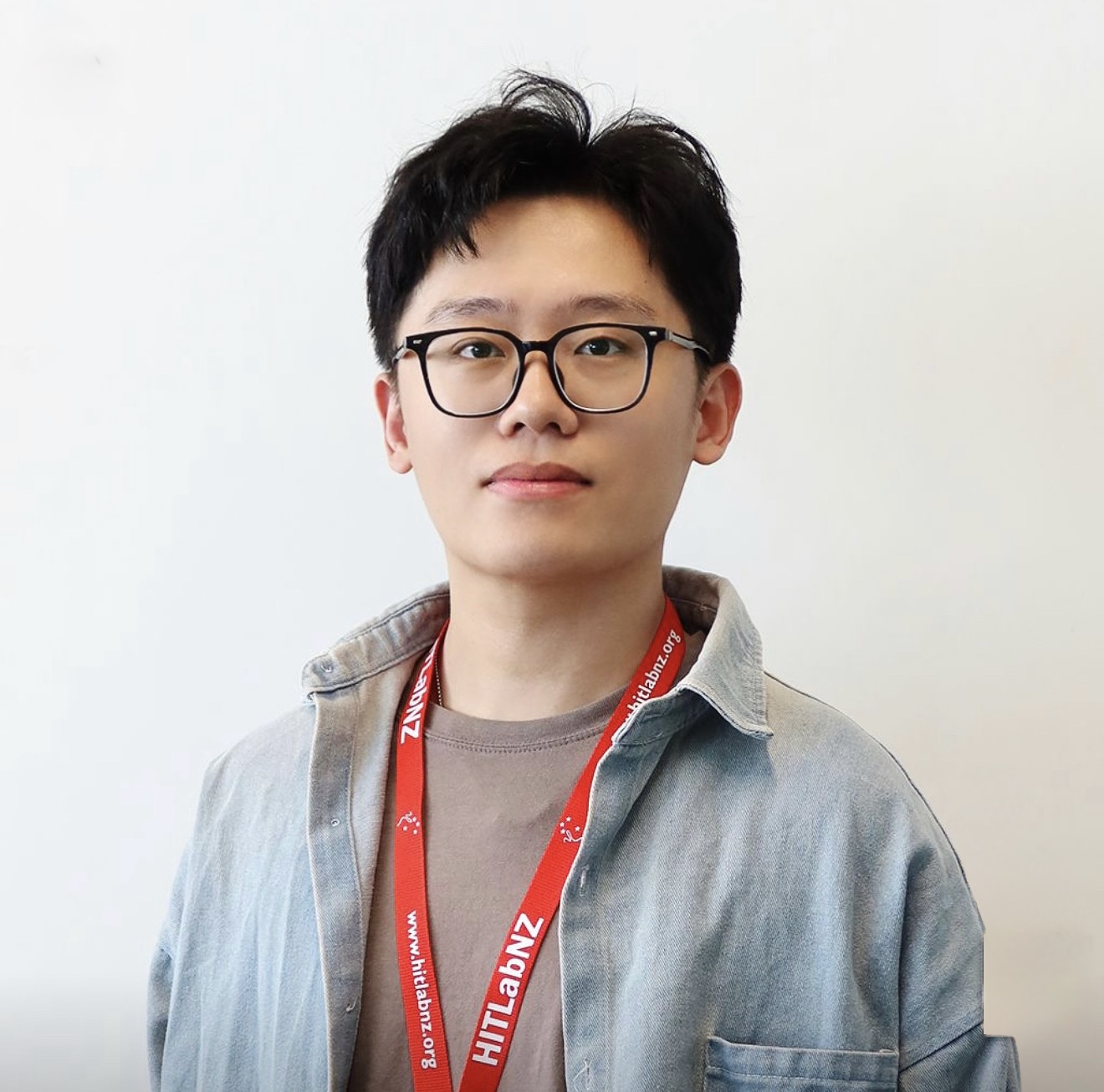
I work at the intersection of human–computer interaction, handheld AR, and digital cultural heritage. My research explores how immersive experiences can support meaningful participation across different abilities, communities, and life stages.
01 / Research
My research asks how handheld augmented reality can become more usable and accessible for older adults, particularly in cultural heritage settings.
Understanding how people interact with digital systems, with attention to usability, agency, and everyday experience.
Exploring readable interfaces, approachable interactions, and comfortable mobile AR experiences for older adults.
Connecting people with cultural stories and knowledge through immersive interpretation and digital preservation.
Research interests HCI · Handheld AR · Older adults & ageing · XR accessibility · Digital cultural heritage
02 / Projects
Research area
Research on inclusive extended reality systems, accessible interaction patterns, and evaluation methods for immersive technologies across diverse abilities and contexts.
Doctoral research focus
Exploring handheld augmented reality experiences for older adults, with attention to usability, accessibility, embodied interaction, and everyday value.
Research area
Digital approaches for documenting, interpreting, and sustaining tangible and intangible cultural heritage through interactive, immersive, and community-facing media.
Museum AR collaboration
An augmented reality museum interpretation concept that connects visitors with Rewi Alley-related heritage through situated storytelling and mobile interaction.
Research grant
A Jiangsu postgraduate research innovation grant investigating digital approaches to intangible cultural heritage preservation through art–technology integration.
03 / Publications
Publications on design, digital preservation, and intangible cultural heritage.
Journal Article
Zhao, J. (2026). Protecting and transmitting intangible cultural heritage through rural revitalization: The Mazhuang Sachet case. Journal of Xuzhou Institute of Technology (Social Sciences Edition), 41(1), 9–16.
A 2026 case study of the Mazhuang sachet tradition that connects living heritage, rural revitalization, and sustainable cultural development.
Journal Article
Ding, F., & Zhao, J. (2025). Digital preservation pathways for intangible cultural heritage in Xuzhou. 创意设计源, 2025(4), 32–36.
Proposes a regional preservation pathway linking cultural context with digital collection, 3D modelling, public display, and participation.
Journal Article
Zhao, J., & Ding, F. (2024). Designing digital museums for intangible cultural heritage with spatial computing. Designs, 2024(2), 108–111.
Explores how spatial computing can support new forms of preservation, interpretation, and public access in digital museums.
Conference Paper
Zhao, J. (2024). Practical approaches to intangible cultural heritage in rural revitalization: The Mazhuang Sachet case. Proceedings of the 2024 Annual Conference on Intangible Cultural Heritage.
Uses the Mazhuang sachet tradition to examine how heritage resources can be reactivated within rural revitalization.
Journal Article
Zhao, J., & Ding, F. (2024). Protecting and transmitting intangible cultural heritage through rural revitalization: The Mazhuang Sachet case. Humanistic Economics Studies, 1, 200–213.
Develops practice-oriented pathways for sustaining the Mazhuang sachet tradition through community and rural development.
Journal Article
Zhao, J., & Ding, F. (2023). New reflections on modern design criticism. Art and Technology, 2023(7), 109–111.
Examines the theoretical form, contemporary role, practical value, and educational significance of design criticism.
Journal Article
Zhao, J. (2020). Integrating emotional education into university art education. Education Digest, 35(22), 171.
Examines the value of emotional education in university art teaching and strategies for integrating it into appreciation, creative practice, and design activities.
04 / Experience
Oct–Dec 2026 Current
Research Institute of Electrical Communication (RIEC), Tohoku University
Sendai, Japan
Current
HIT Lab NZ, University of Canterbury
Human–computer interaction, accessible handheld AR, and digital cultural heritage.
Current
Digital Storytelling
Faculty of Arts, University of Canterbury
2022–2025
Tsinghua University and Jiangsu Normal University
Jul–Aug 2023
School of Design, Jiangnan University
Jun–Jul 2023
Nanjing Normal University
2018–2022
Jiangsu Normal University
05 / Professional community
06 / Academic exchange
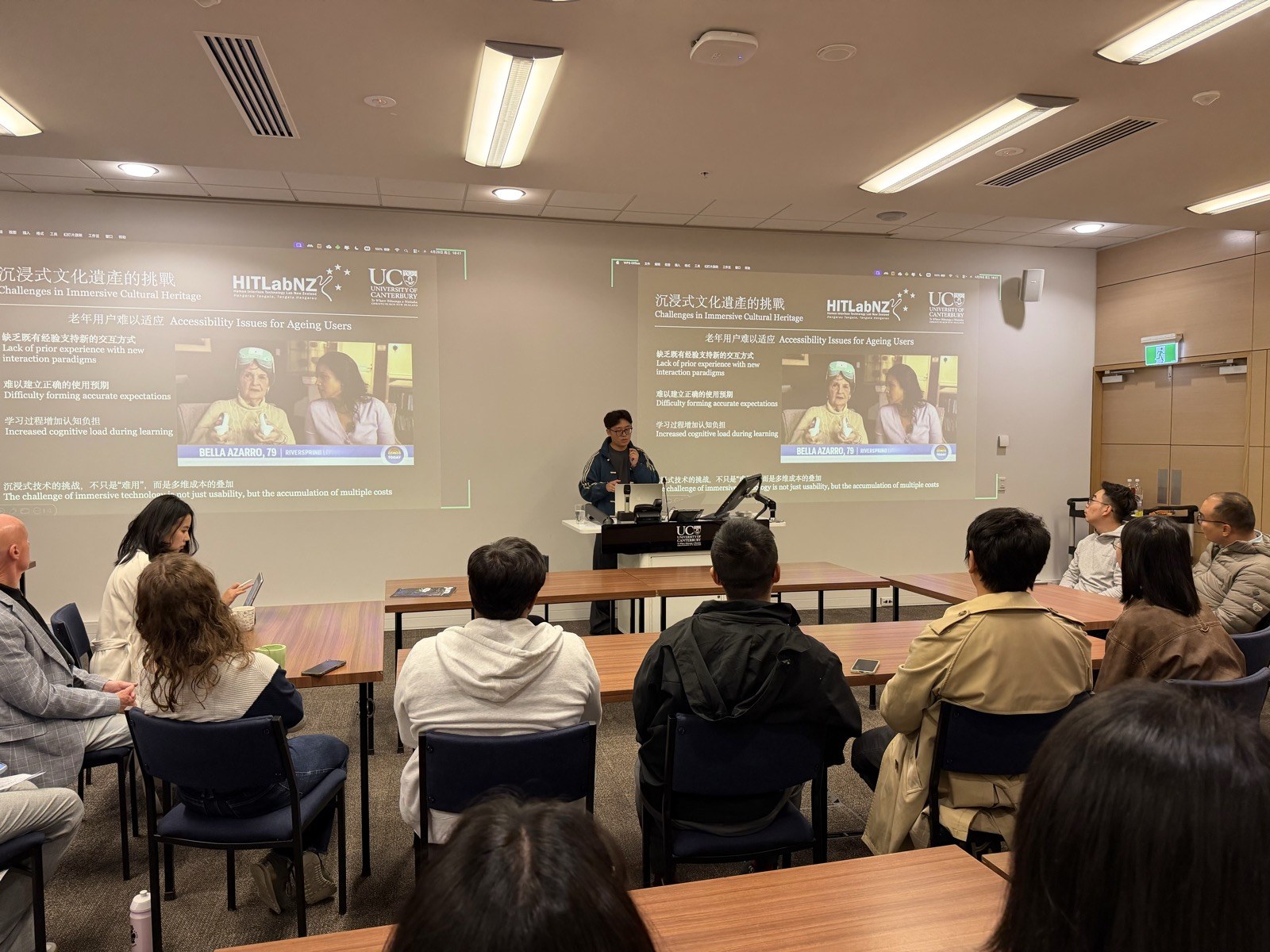
29 April 2026 · University of Canterbury and 21 sub-venues in China · Hybrid lecture
Read event coverage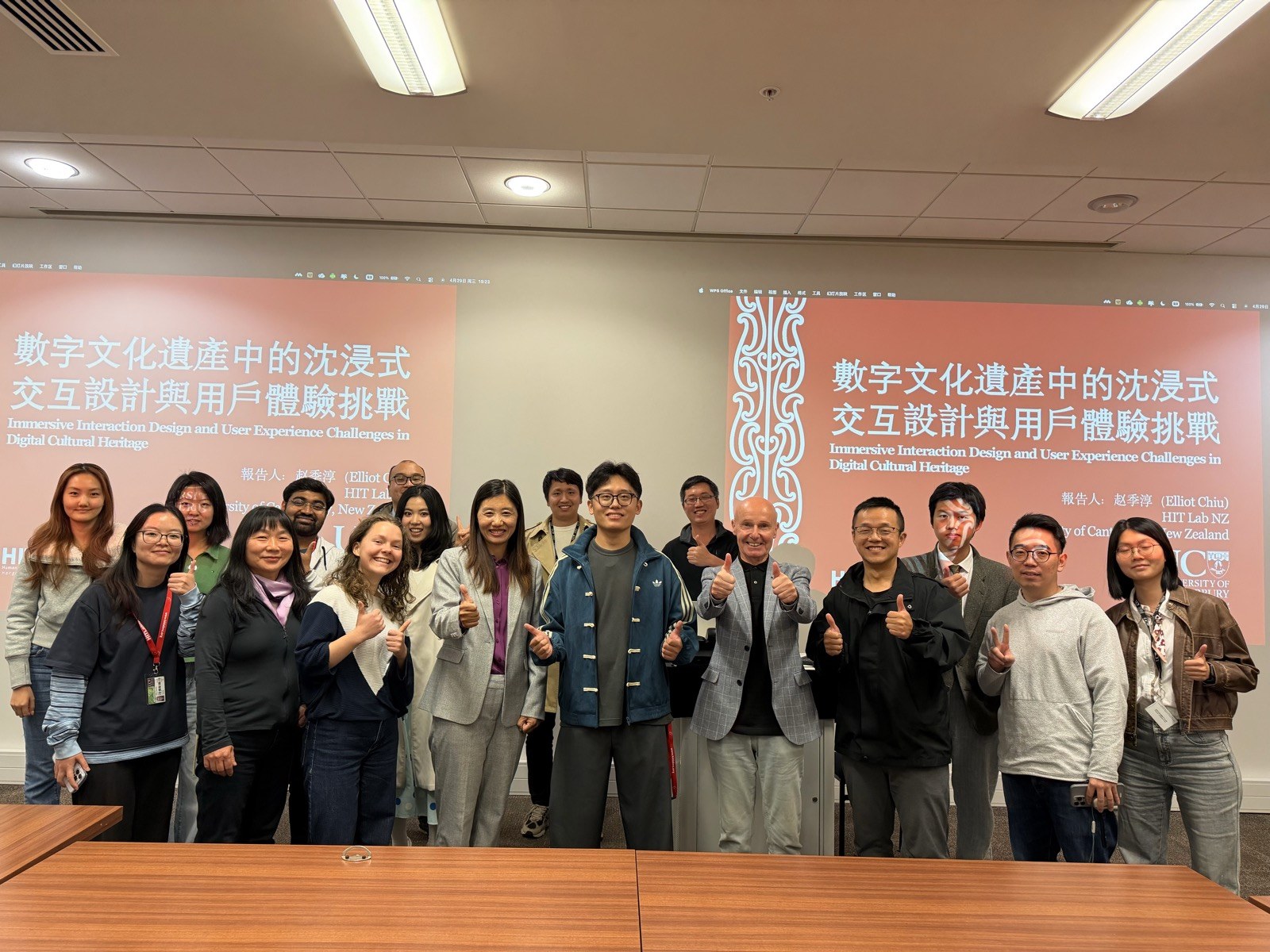
29 April 2026 · University of Canterbury · Post-lecture group photo
Read event coverage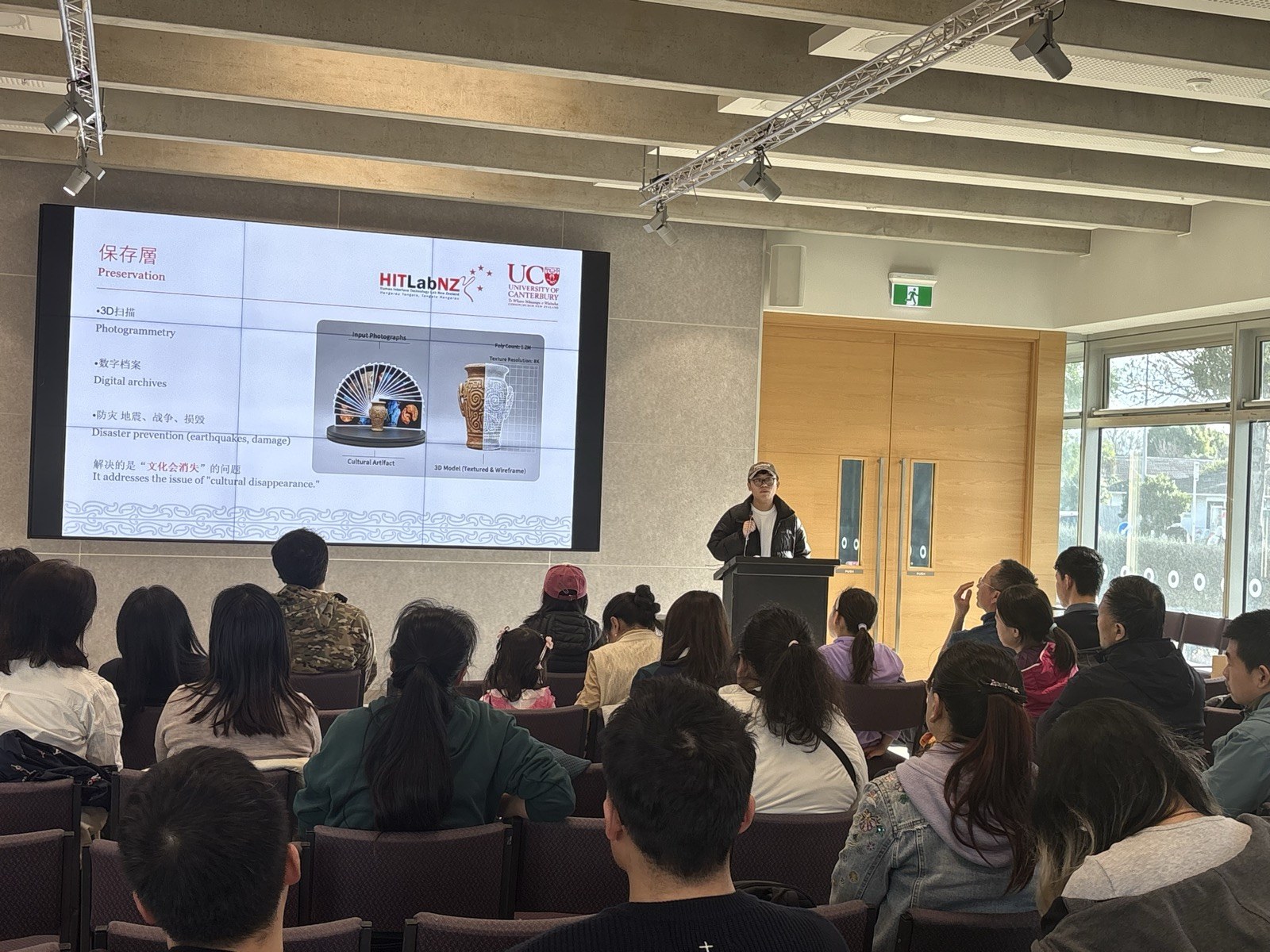
20 June 2026 · Invited guest speaker · Academic sharing at the Dragon Boat Festival gathering
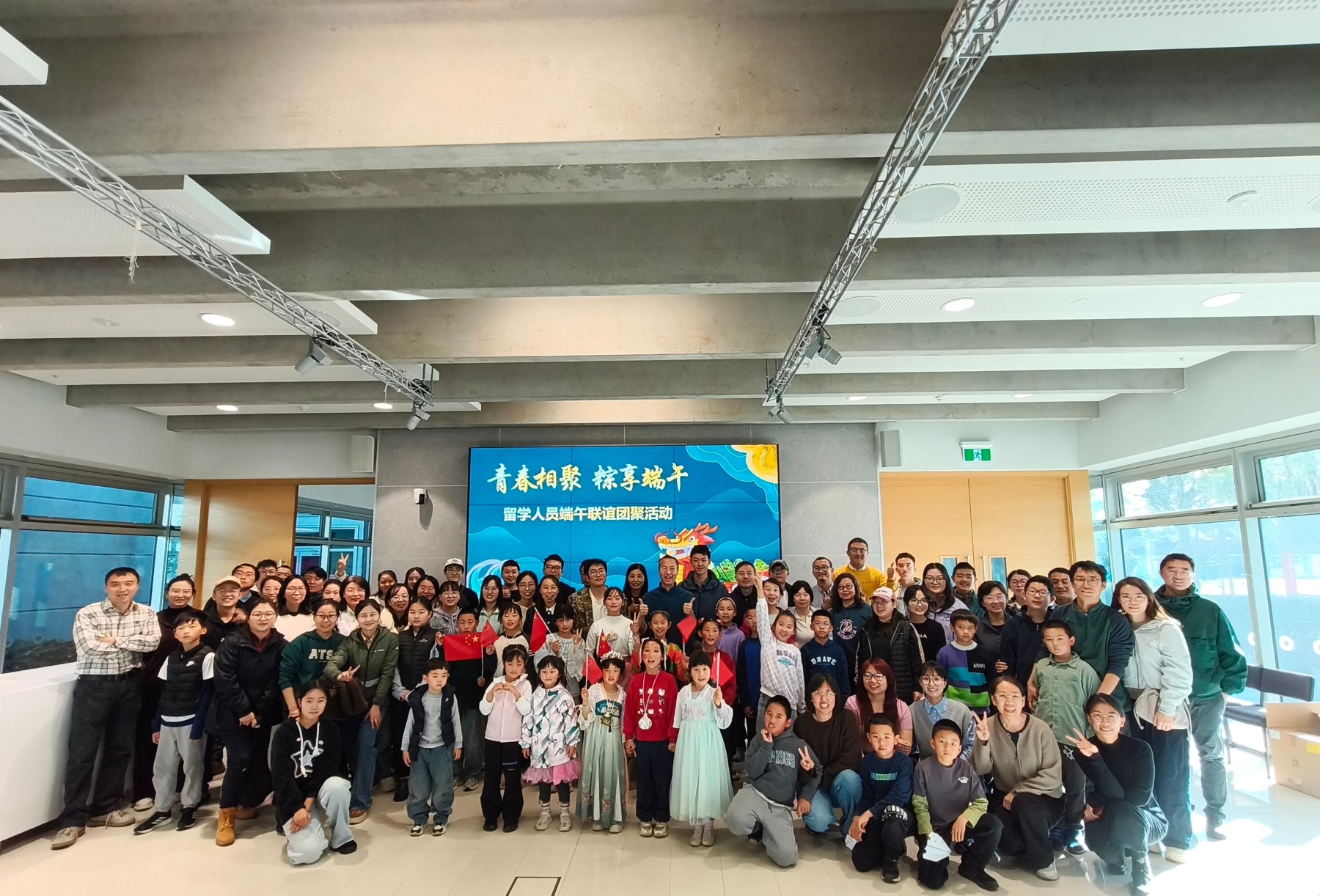
20 June 2026 · Dragon Boat Festival gathering for overseas Chinese students and scholars · Group photo
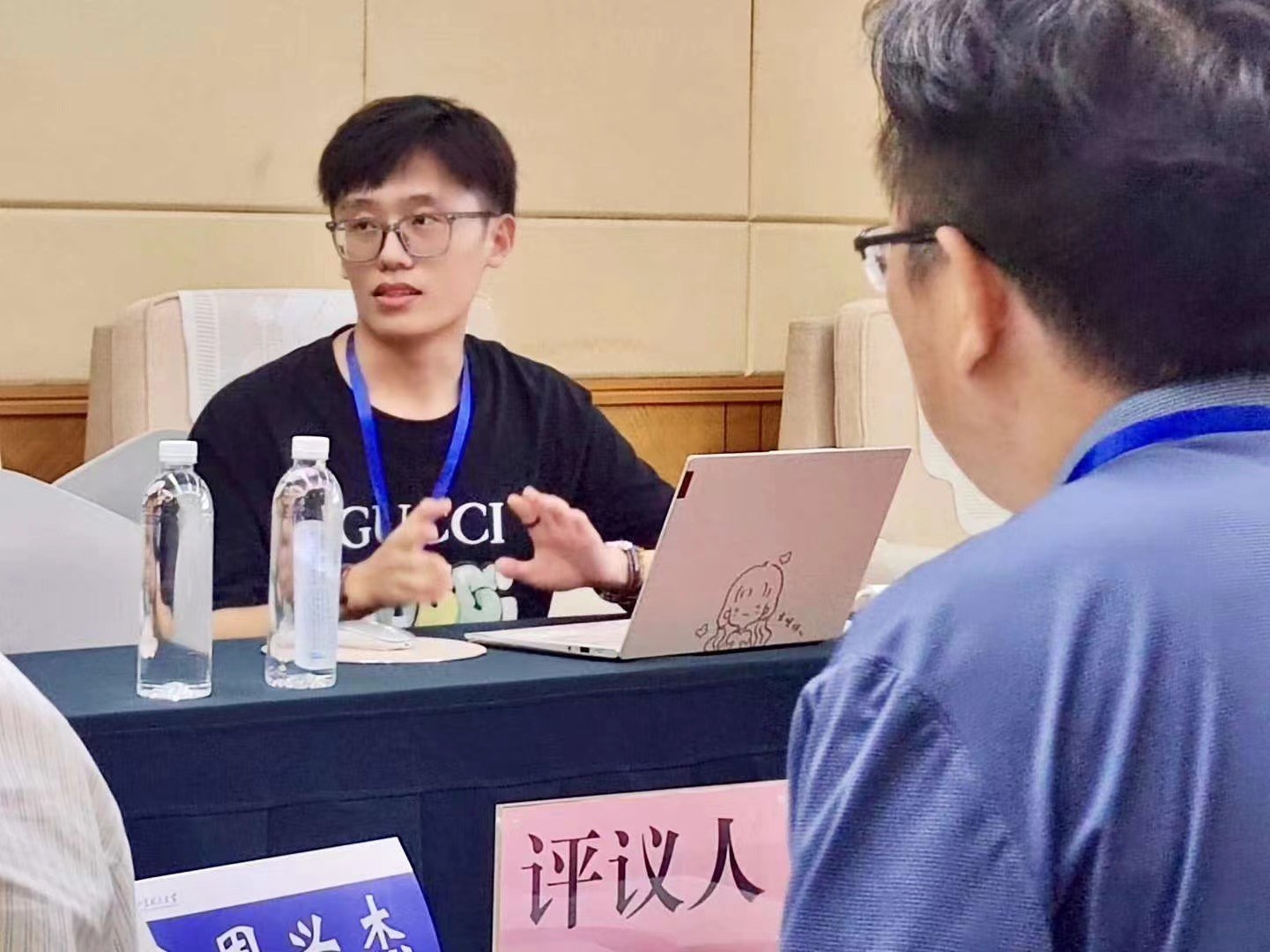
2023 · Research discussion
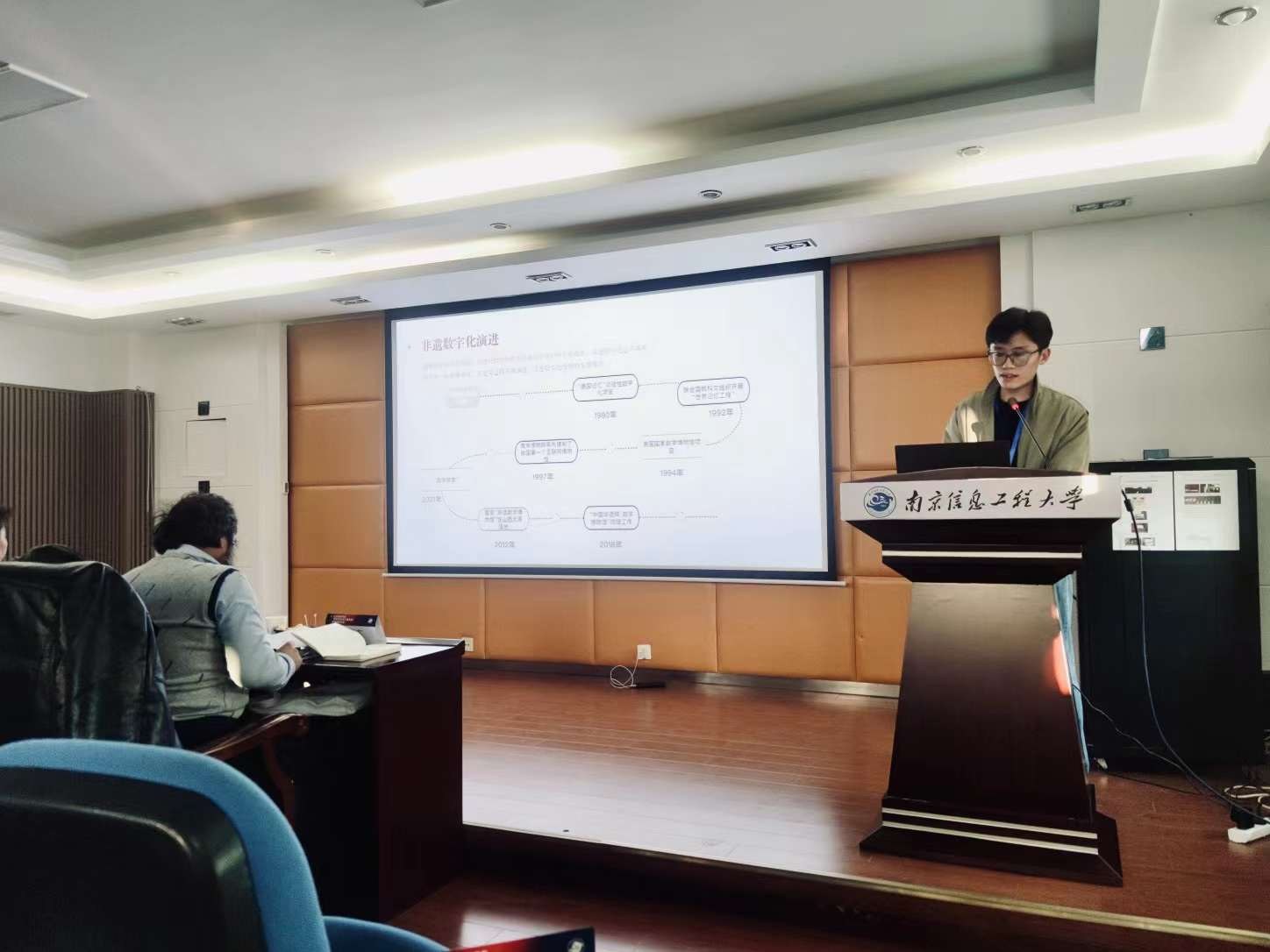
2023 · Conference presentation
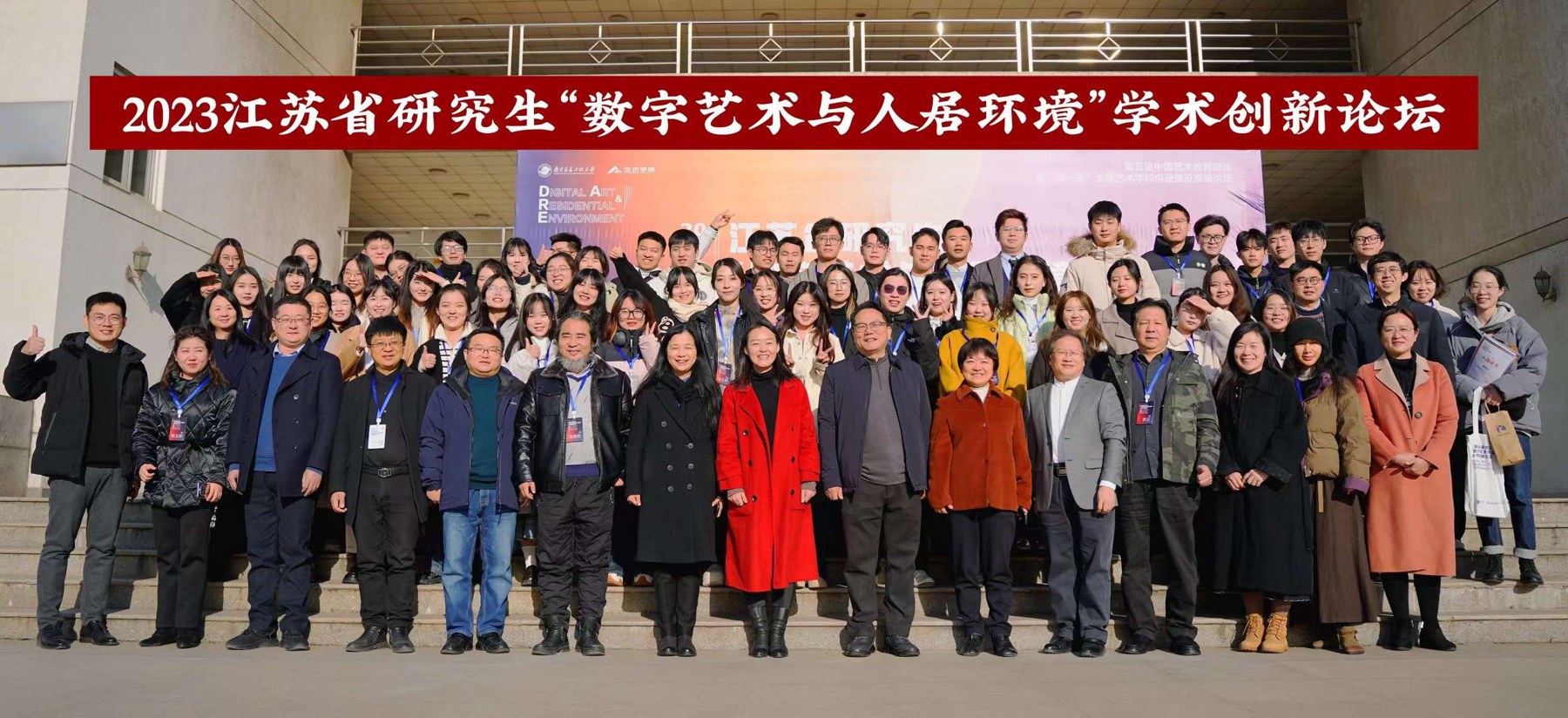
2023 · Conference group photo
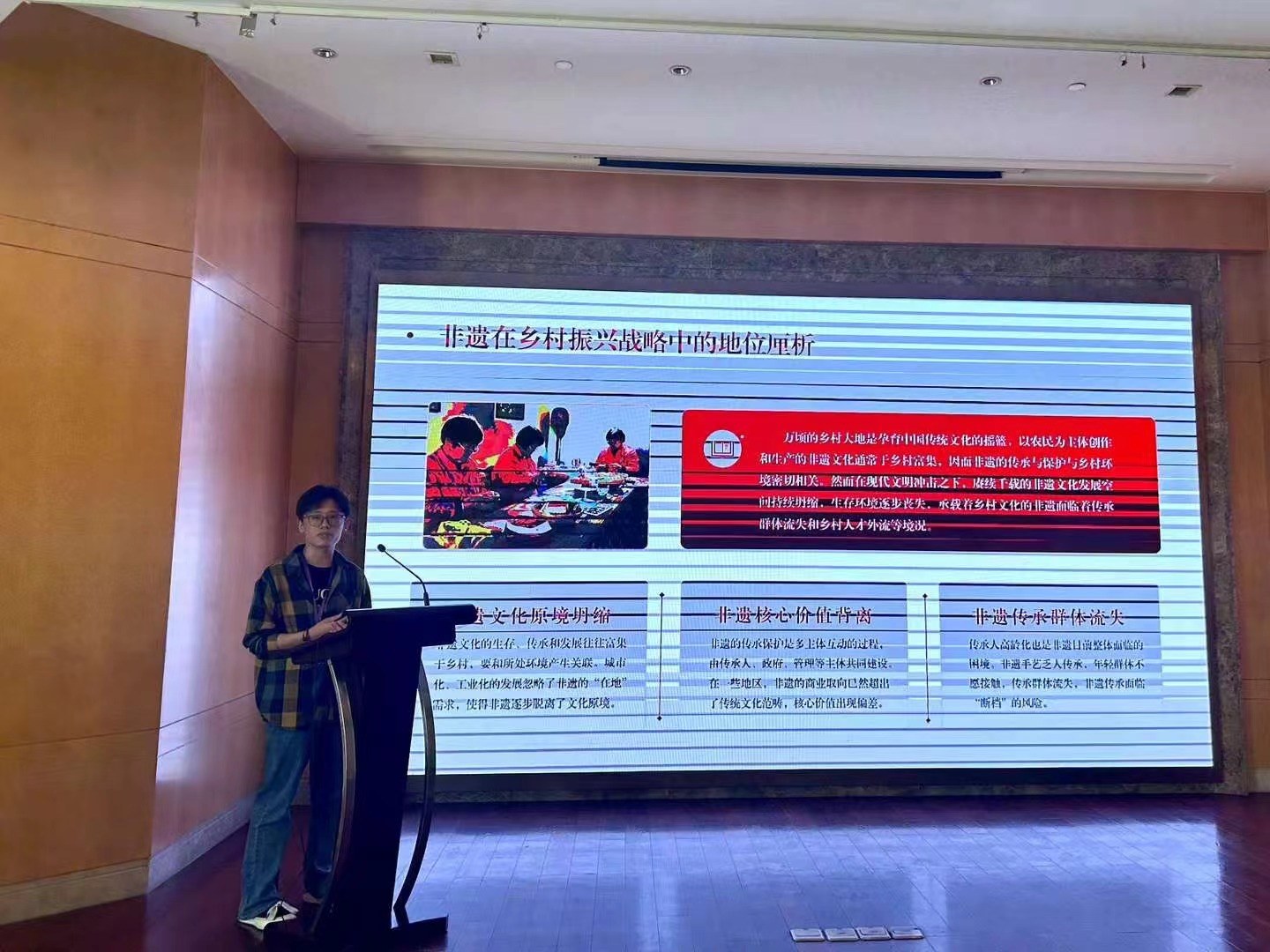
Conference presentation
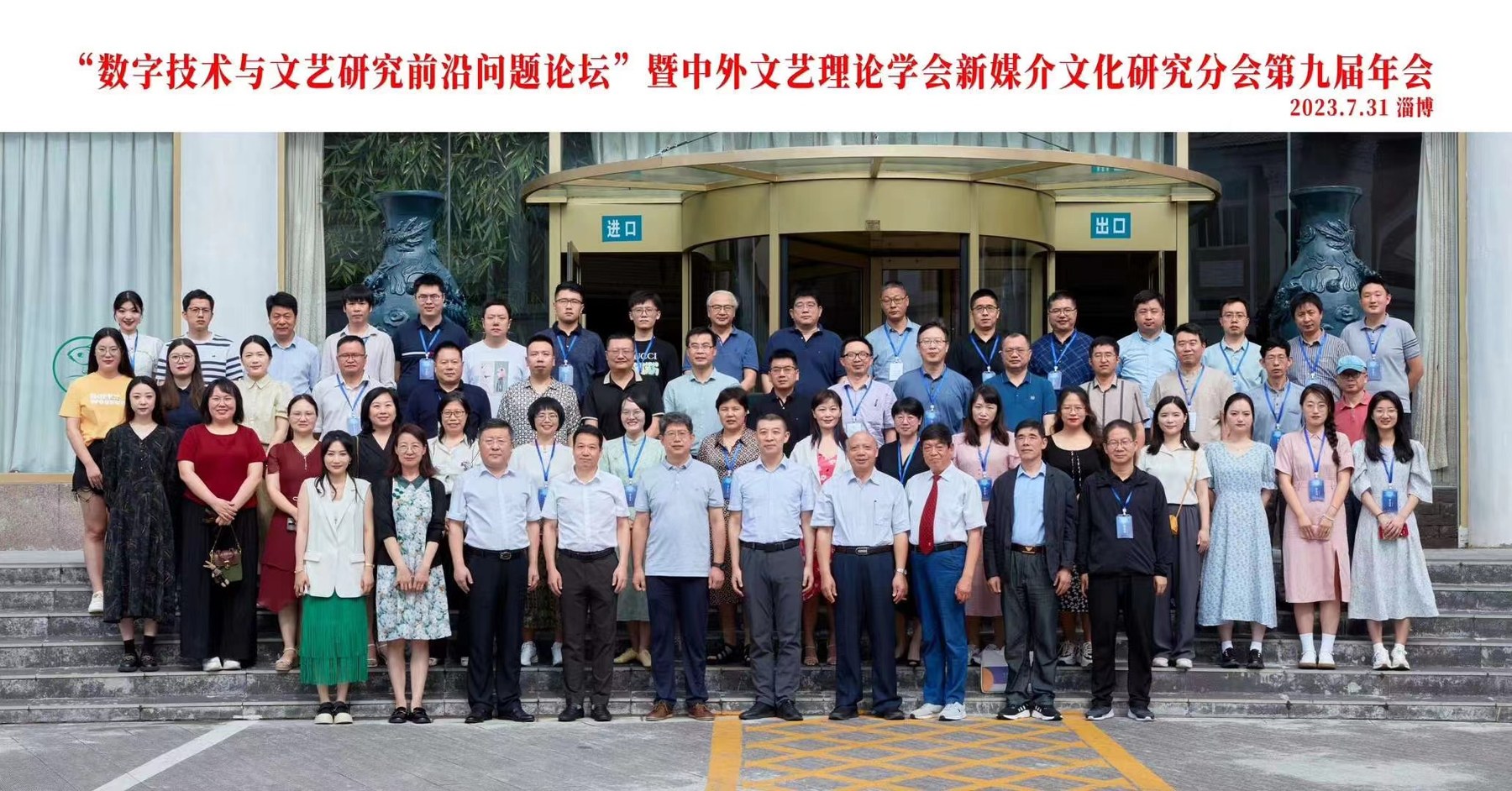
2023 · Conference group photo
2023 · Conference group photo
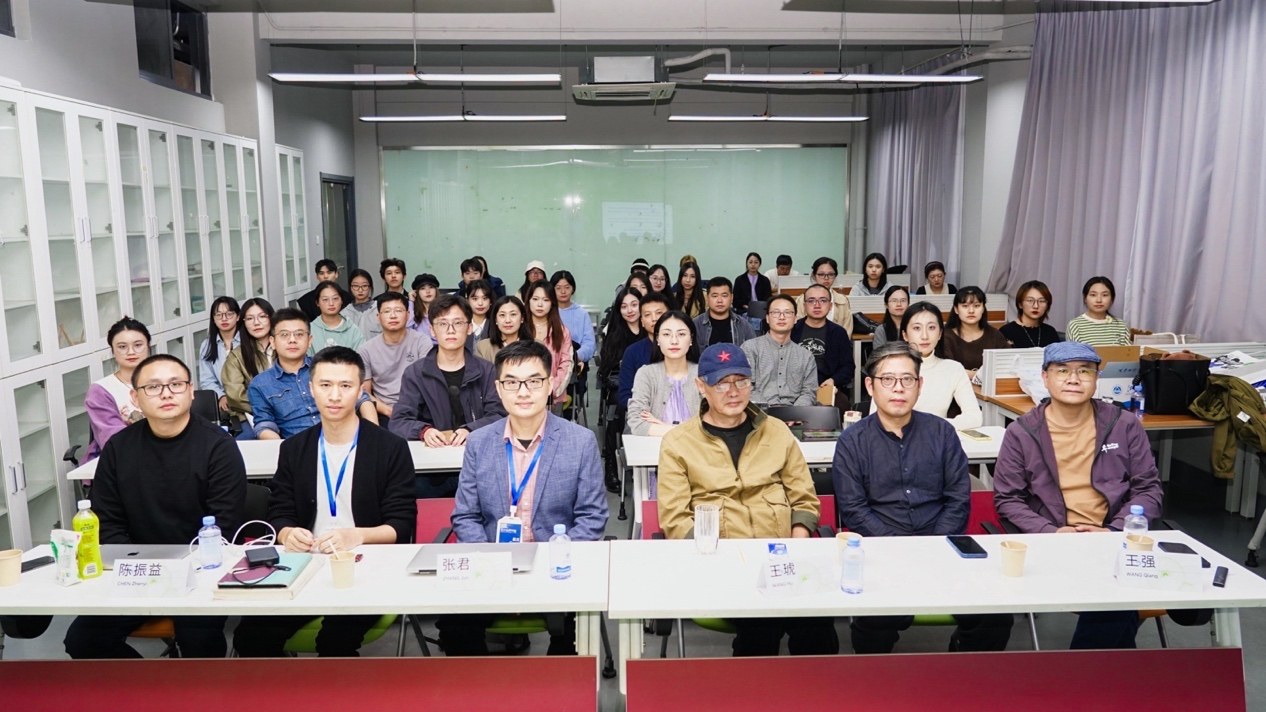
2023 · Conference group photo
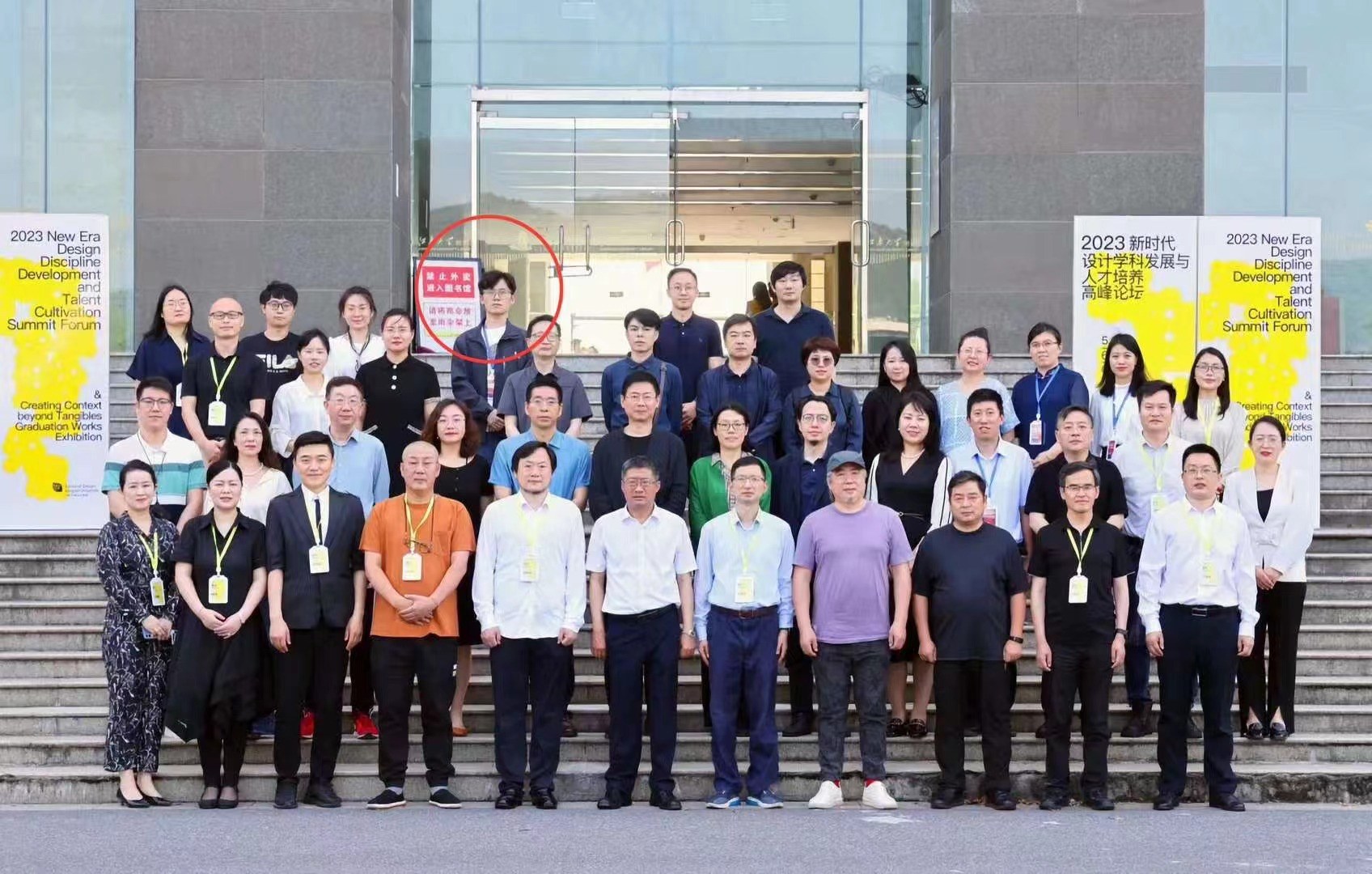
2023 · Conference group photo
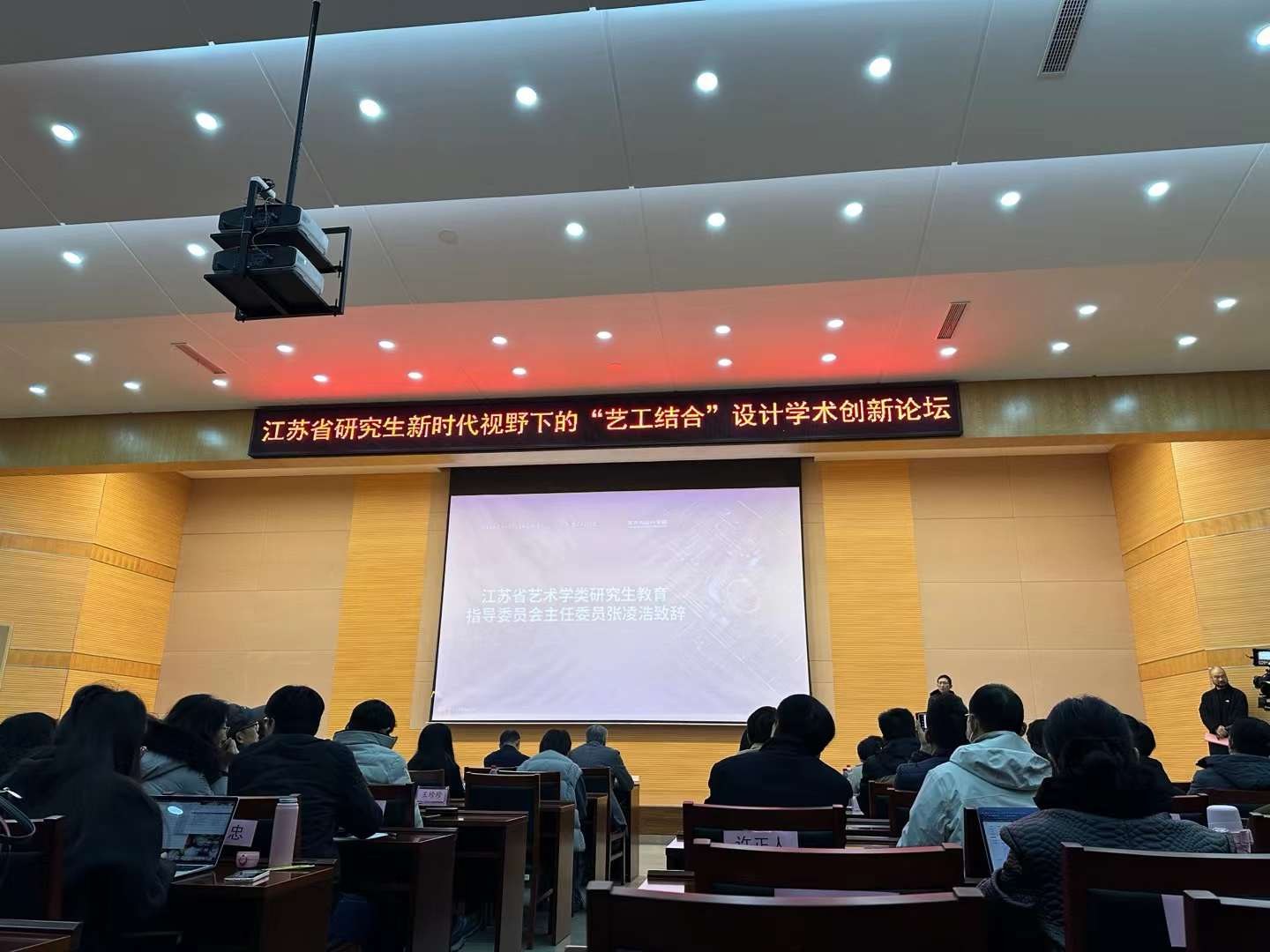
Conference session
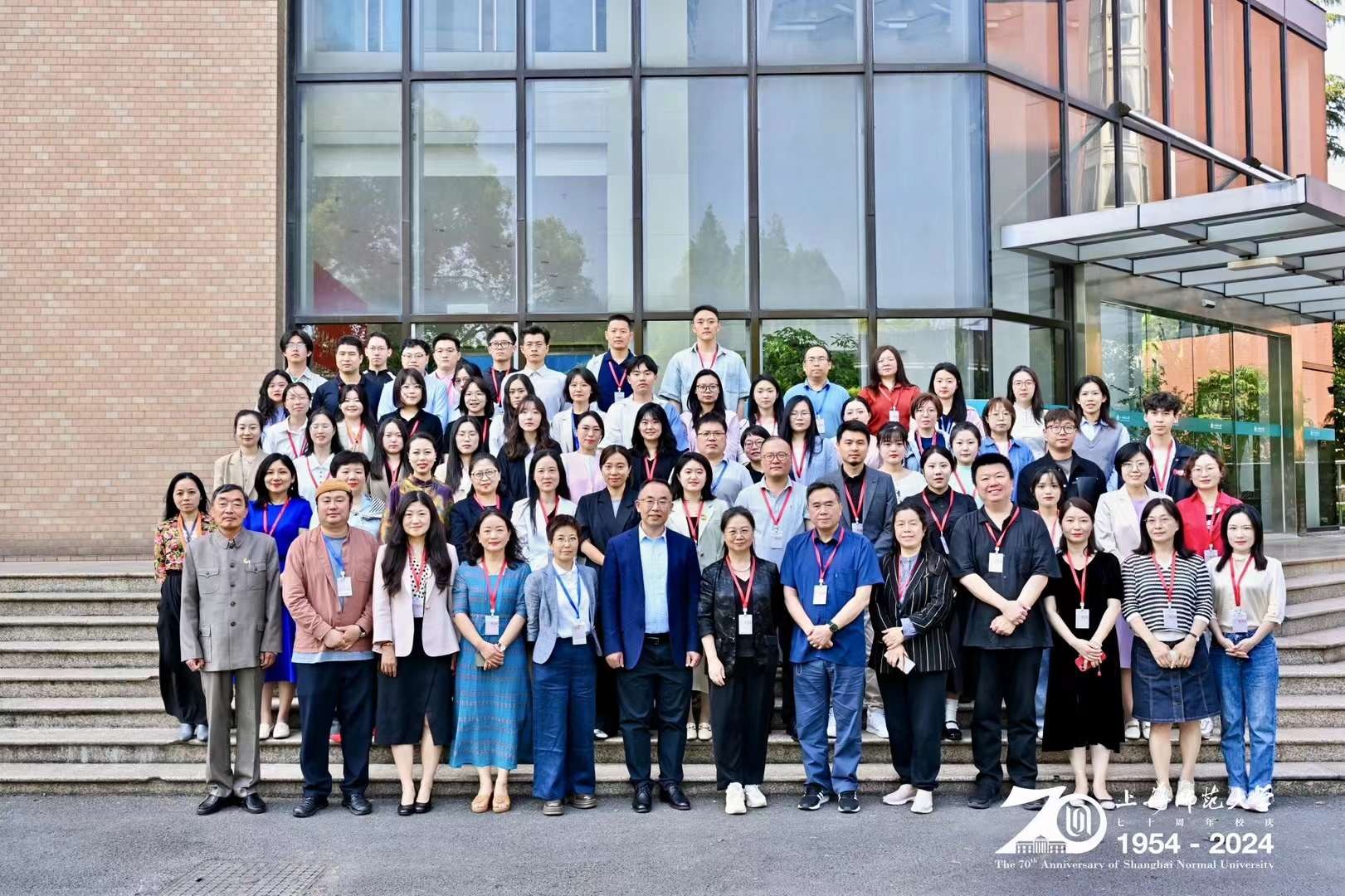
Conference group photo
07 / Engagements
Community service, educational exchange, and professional connections beyond my research.
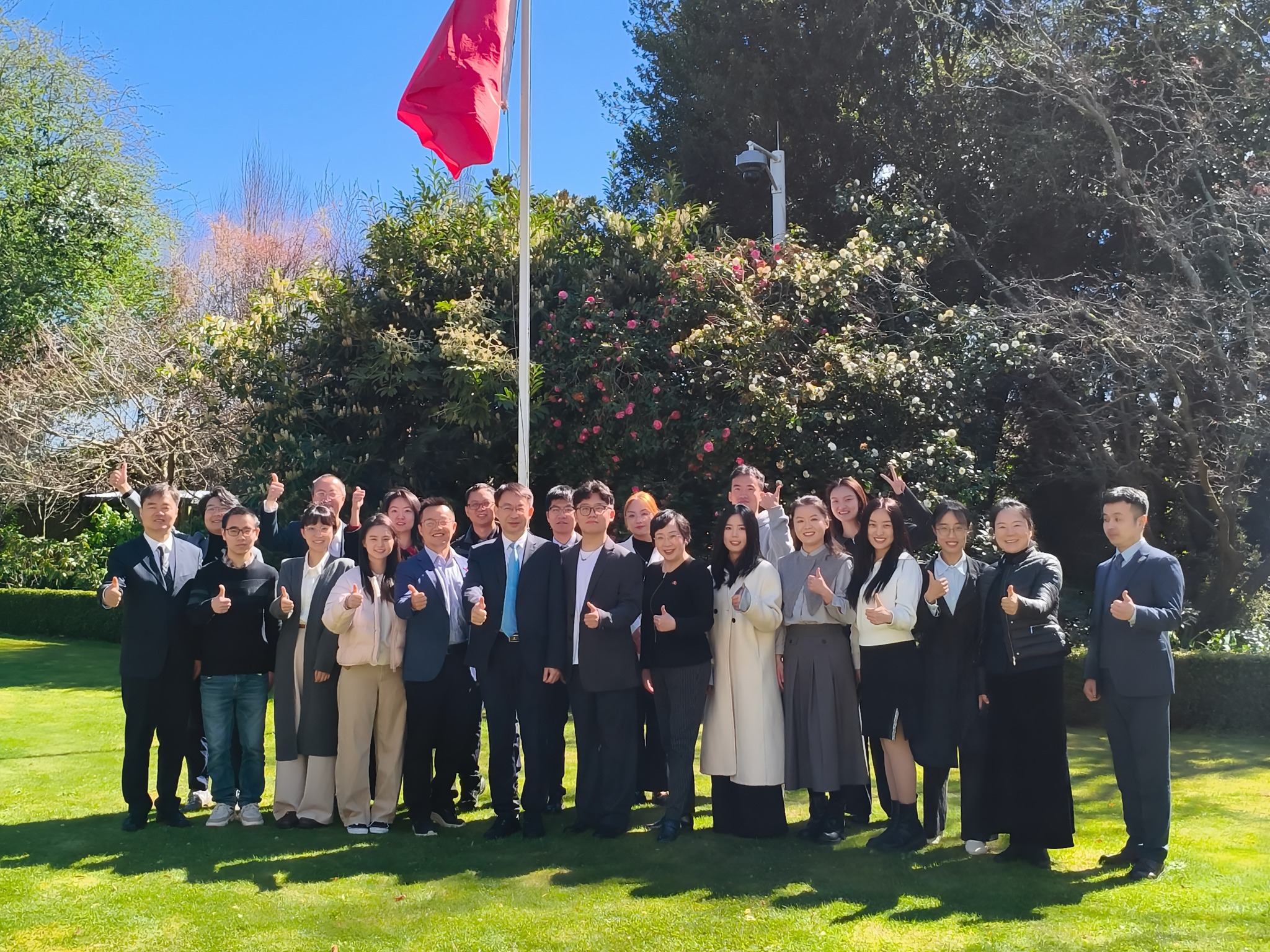
Participated in a dialogue in Christchurch with the visiting delegation led by Hu Wei, Secretary-General of the China Scholarship Council.
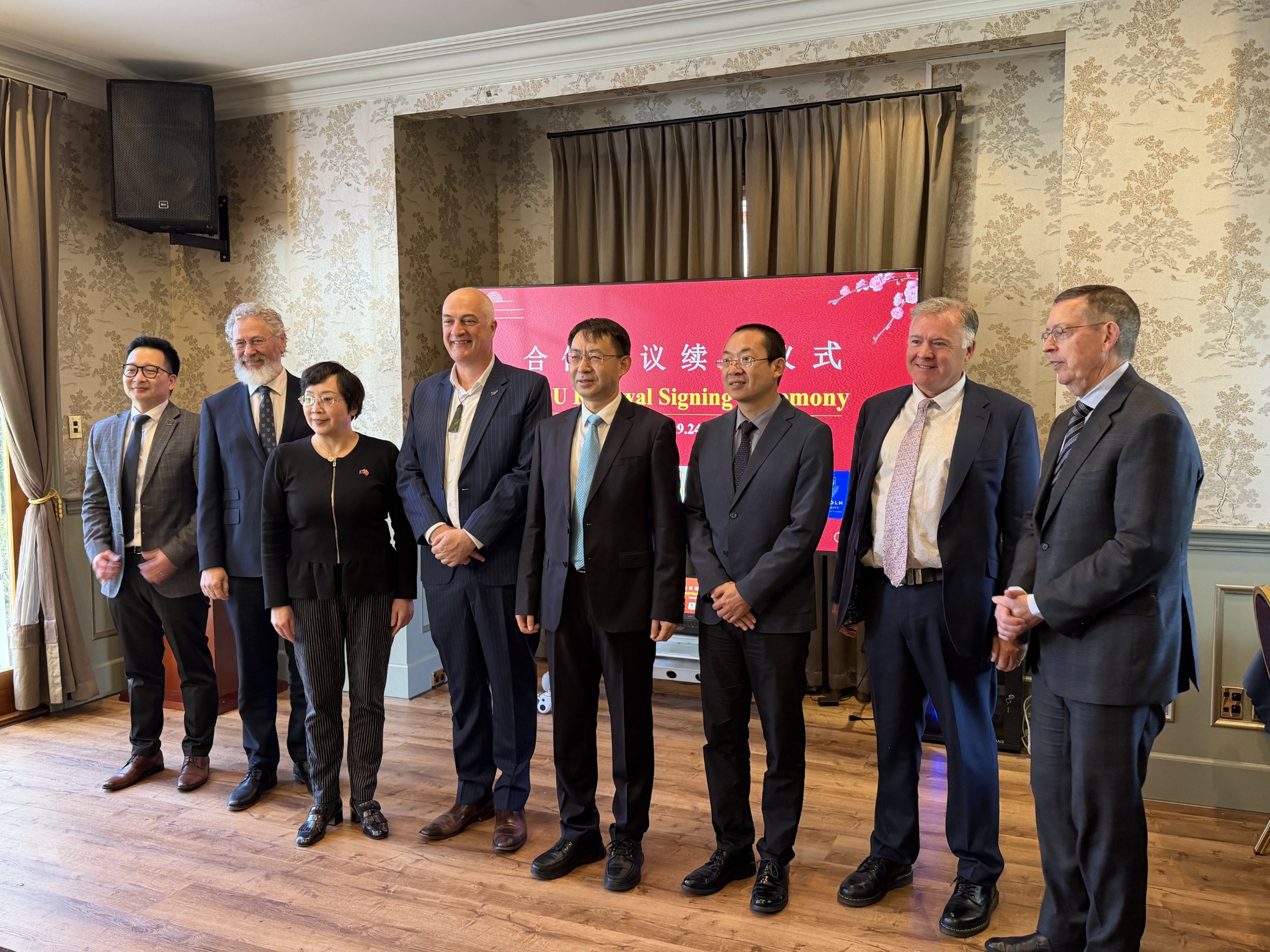
Witnessed the renewal of CSC cooperation agreements with the University of Canterbury, Lincoln University, the University of Waikato and Auckland University of Technology at the Chinese Consulate-General in Christchurch.
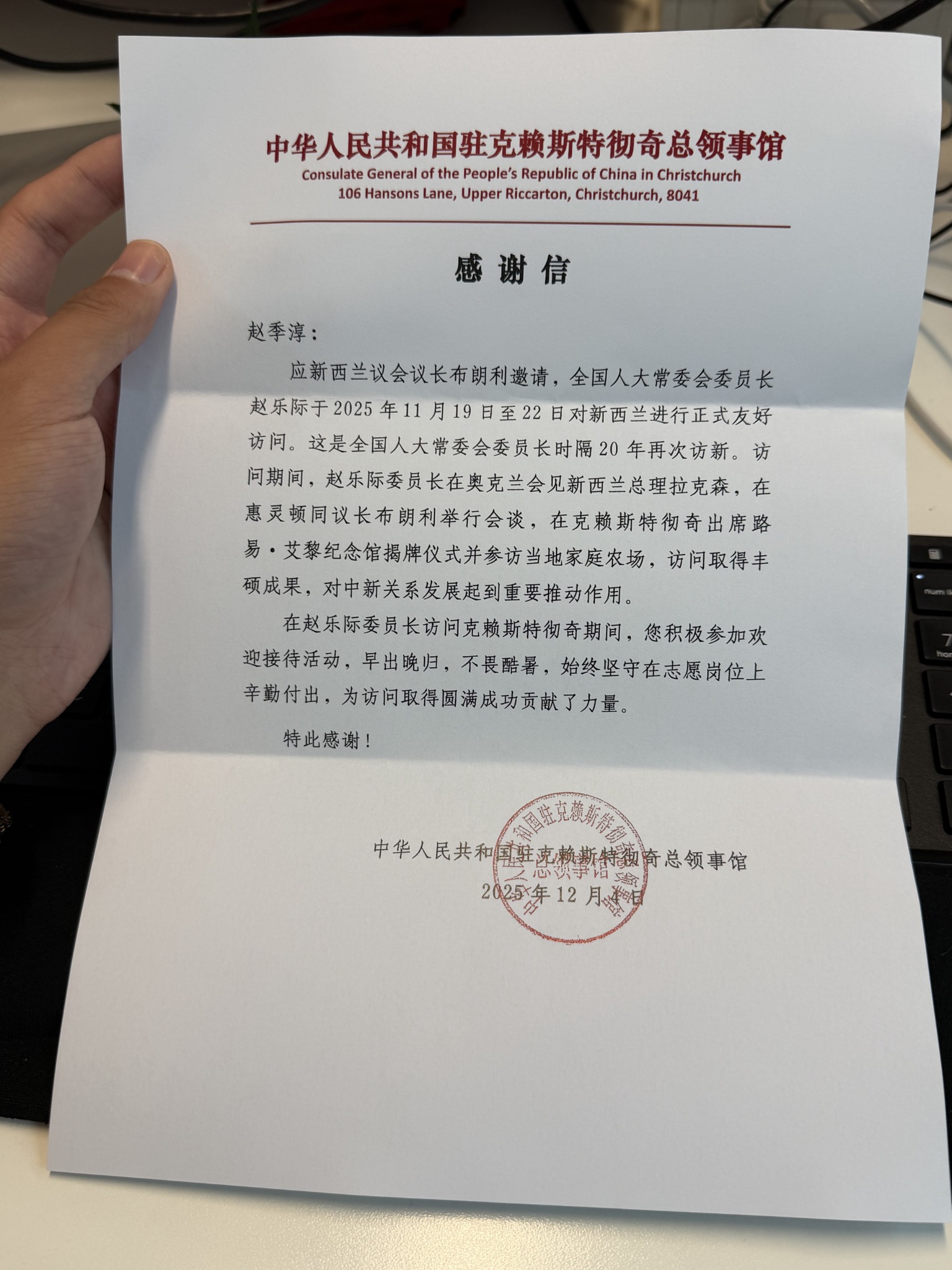
Received a letter of appreciation from the Chinese Consulate-General in Christchurch for volunteer reception support during the November 2025 visit of Zhao Leji, Chairman of the Standing Committee of China’s National People’s Congress.
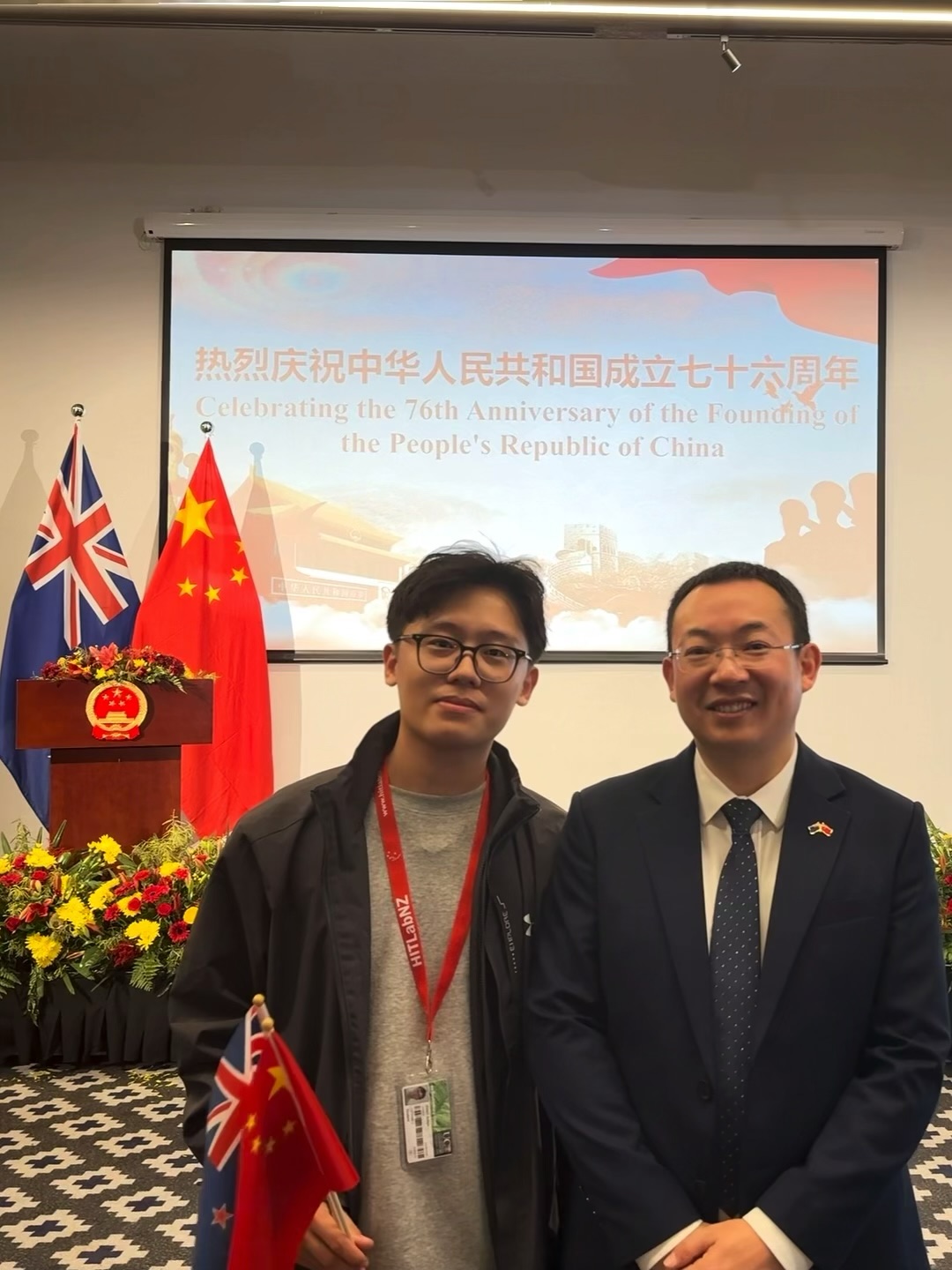
Attended the Chinese Consulate-General in Christchurch’s reception marking the 76th anniversary of the founding of the People’s Republic of China. Pictured with Deputy Consul-General Xu Haiyuan.
08 / Contact
For conversations about HCI, accessible AR, cultural heritage, or research collaboration, please get in touch.
jichun.zhao@pg.canterbury.ac.nzHIT Lab NZ
University of Canterbury
Christchurch, New Zealand
English · Chinese · Cantonese